Cessna Nose Gear Strut Assembly: Replacement Nose Landing Gear Component
Cessna Nose Gear Strut Assembly: Replacement Nose Landing Gear Component
Blog Article
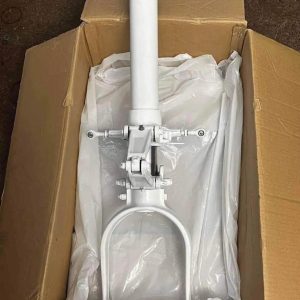
The Cessna Nose Gear Strut Assembly should be selected only after confirming the aircraft model, serial-number range, mounting arrangement, dimensions, included hardware, inspection history, and technical documentation.
Accurate use of these keywords improves search relevance without implying universal compatibility across the more info Cessna product line.
Whether described as an Aircraft Nose Landing Gear Assembly or Cessna Shock Strut Assembly, the unit should be evaluated as part of the complete airframe and landing-gear system.
The Cessna Landing Gear Assembly functions as a coordinated system, while the Aircraft Landing Gear Strut should not be evaluated separately from its mounts, steering, wheel, tire, and surrounding structure.
Accurate product information supports responsible purchasing and reduces installation delays.
Understanding the Cessna Nose Gear Strut Assembly
The seller should provide clear photographs of the cylinder, piston, fork, steering features, mounting points, torque links, hardware, and identification markings.
Informal descriptions such as complete or ready to install should be supported by an exact inventory.
Evaluating Landing Gear Structural Responsibilities
Actual load distribution depends on aircraft weight, center of gravity, tire pressure, landing technique, surface condition, and aircraft configuration.
Any evidence of previous impact should be disclosed and investigated.
Understanding the Cessna Shock Strut Assembly
Complete functional evaluation is more reliable than visual appearance alone.
Incorrect pressure or fluid quantity can influence ground clearance, steering, ride quality, and structural loading.
Understanding the Cessna Steering Strut Assembly
The steering system should be evaluated as a complete arrangement rather than through the strut alone.
The buyer should inspect torque links, attachment bolts, bushings, bearings, and pivot points for looseness or wear.
Avoiding Universal Cessna Fitment Claims
The buyer should compare the offered unit with current illustrated-parts, maintenance, and installation information.
The complete receiving-aircraft configuration should be reviewed before purchase.
Evaluating the Cessna Nose Strut Body
Sliding and sealing surfaces must remain within acceptable condition because defects can damage seals and contribute to leakage or sticking.
The piston should move through the permitted range without binding, roughness, excessive side play, or abnormal resistance.
Preventing Contamination and Seal Damage
Fluid leakage around the piston, seals, fittings, plugs, or servicing points can indicate deteriorated seals, damaged surfaces, loose components, contamination, or incorrect assembly.
Any internal maintenance should be documented with parts and procedures used.
Evaluating Coastal and Outdoor Storage Damage
Surface discoloration should be evaluated rather than dismissed automatically as cosmetic.
Protective coatings should be checked for chips, lifting, abrasion, bubbling, poor adhesion, and incompatible refinishing.
Checking for Hard-Landing or Towing Damage
Professional evaluation is appropriate when impact history is known or uncertain.
The seller should disclose the donor aircraft’s removal reason and known incident history.
Inspecting the Cessna Nose Wheel Strut
Clear package information helps buyers estimate the complete repair cost.
Tire condition can influence shimmy, ground handling, and visible strut behavior.
Preventing Nose Gear Shimmy
Dimensional inspection supports a durable repair.
Recurring shimmy should prompt inspection of the entire nose gear, wheel, tire, steering, balance, and attachment system.
Understanding Ground Vibration Causes
Replacing the strut assembly alone may not correct the concern if other components remain defective.
Measurements and operational checks should support the maintenance decision.
Servicing the Cessna Shock Strut
Incorrect fluid, contamination, trapped air, overpressure, or underpressure can affect extension, damping, leakage, ground clearance, and structural loading.
Repeated pressure loss should prompt leak investigation rather than continual inflation.
Rebuilding a Cessna Nose Gear Strut
Clear terminology helps buyers understand the actual condition of the assembly.
Unauthorized welding, straightening, plating, machining, or hole enlargement can affect future eligibility.
Pre-Purchase Inspection Checklist
A pre-purchase review should confirm the exact part number, configuration, aircraft applicability, serial markings, dimensions, included components, removal reason, condition, repair history, and documentation.
- Determine whether the wheel, tire, bearings, spacers, steering links, hardware, servicing fittings, records, and release documents are included.
- Do not treat clean paint, smooth movement, or a removed-serviceable statement as proof of current installation eligibility.
- Retain purchase records, photographs, measurements, inspection reports, maintenance documents, release paperwork, and freight records with the aircraft project file.
Safe Freight Handling Procedures
The chrome or polished piston area should receive protective wrapping that prevents impact and contamination without trapping moisture.
Pre-shipment photographs can document condition, included parts, and packaging before collection.
Preventing Corrosion and Seal Damage
During storage, the strut should remain clean, dry, supported, labeled, and protected from impact, moisture, chemicals, dust, and uncontrolled handling.
Extended storage may require renewed inspection, seal evaluation, cleaning, servicing, and corrosion review before installation.
Installing the Cessna Front Landing Gear Assembly
Installation should be completed by appropriately qualified aviation maintenance personnel using applicable Cessna airframe, landing-gear, steering, and component information.
Disciplined workmanship supports reliable Cessna Front Landing Gear Assembly operation.
Taxi checks should begin conservatively and should monitor shimmy, pulling, vibration, abnormal noise, leakage, and steering behavior.
Maintaining the Cessna Nose Landing Gear
Lubrication and servicing should follow the applicable maintenance schedule.
The nose gear should receive additional inspection after a hard landing, runway excursion, towing incident, tire failure, severe shimmy, obstacle strike, or abnormal ground handling event.
Landing Gear Ownership and Installation Costs
Clean paint may improve presentation but does not replace structural, dimensional, and functional evaluation.
Commercial evaluation should focus on verified suitability rather than promotional claims.
Cessna Nose Gear Assembly Conclusion
The Cessna Nose Gear Strut Assembly may suit private aircraft owners, flight schools, maintenance organizations, restorers, aviation dealers, and general aviation operators seeking an identifiable landing-gear component.
The strongest purchasing decision begins with confirming the exact Cessna part number, dash number, aircraft model, serial-range applicability, strut configuration, dimensions, mounting points, steering system, fork, axle, bushings, seals, corrosion status, repair history, and documentation.
Whether buyers need a Cessna Front Landing Gear Assembly, Aircraft Nose Gear Strut, Aircraft Nose Landing Gear Assembly, or Cessna Shock Strut Assembly, current physical condition should be verified.
With verified identity, suitable structural condition, correct aircraft applicability, professional servicing, disciplined installation, and routine inspection, the assembly can provide dependable long-term value.
Report this page